Why Explaining Yourself Is Often Misread as Arguing
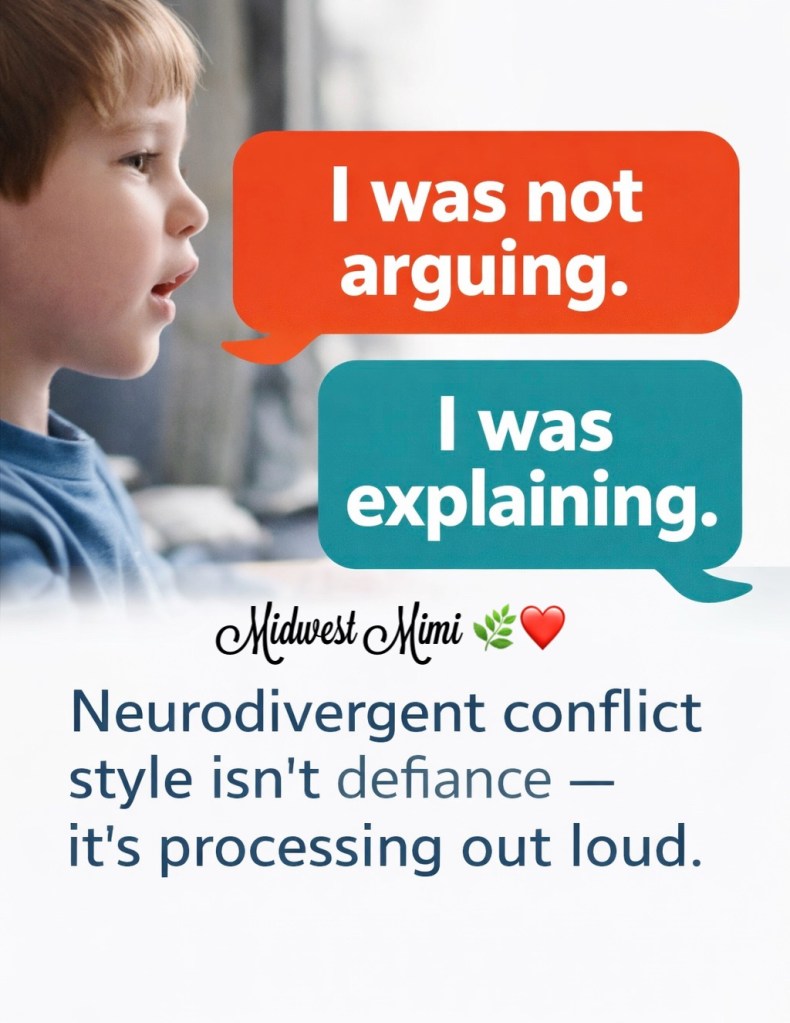
I Was Not Arguing. I Was Explaining.
I was labeled argumentative as a child.
Adults said I talked too much. That I talked back. That I refused to take responsibility.
But that wasn’t what I was doing.
I was explaining myself.
I’ve always thought in words and feelings. Even as a kid, I knew why I reacted the way I did. I could name what set me off, what I felt, and what I meant. I wasn’t trying to escape consequences. I was trying to add context.
To adults, especially authority figures, that often looked like defiance.
To me, it felt like being deeply misunderstood.
The Night I Became “Too Much”
I was about ten years old.
My parents were at Bible study down the street, and an older teenager was babysitting a house full of kids at our place. I remember the night as fun. We played. We laughed. Nothing felt out of control to me.
But when my parents came home, I was told that our house would no longer host childcare. The babysitter had said I was “too much” whenever it was held at our house.
I remember standing there, stunned, trying desperately to understand what I had done. I replayed the evening in my head and couldn’t find the problem. Everyone had seemed happy. I kept asking questions. I kept explaining what we had done together and how much fun it had been.
My dad grew frustrated. I was sent to my room for not letting it go.
From the outside, it looked like I was arguing.
From the inside, I was trying to understand a story that didn’t match my experience.
When Misunderstanding Becomes Dysregulation
The more I tried to explain, the more frustrated everyone became. Eventually I would cry or scream, not because I started out dysregulated, but because being misunderstood made me dysregulated.
It physically hurt to not be heard. My body experienced it as a threat. My nervous system stayed activated, searching for resolution that never came.
I understood my behavior. I knew why I reacted the way I did. What I couldn’t survive was being told that explaining myself was defiance.
That is why it often felt like I “needed the last word.” From the outside, it looked like I wouldn’t let things go. From the inside, my nervous system could not settle until I felt understood.
The One Adult Who Understood
I thank God for my mother.
She could hear my intent instead of just my tone. When conversations went sideways with other adults, I learned to go to her. She understood that I wasn’t arguing. I was processing.
I learned something early that stayed with me.
Explaining myself was risky in the wrong hands.
But being understood mattered more to me than being right.
Explaining Is Not the Same as Arguing
This is where so much conflict advice fails people whose nervous systems rely on language.
We are often taught that explanation equals excuse. That context equals deflection. That words are a way to avoid accountability.
But for many people, words are how accountability is processed.
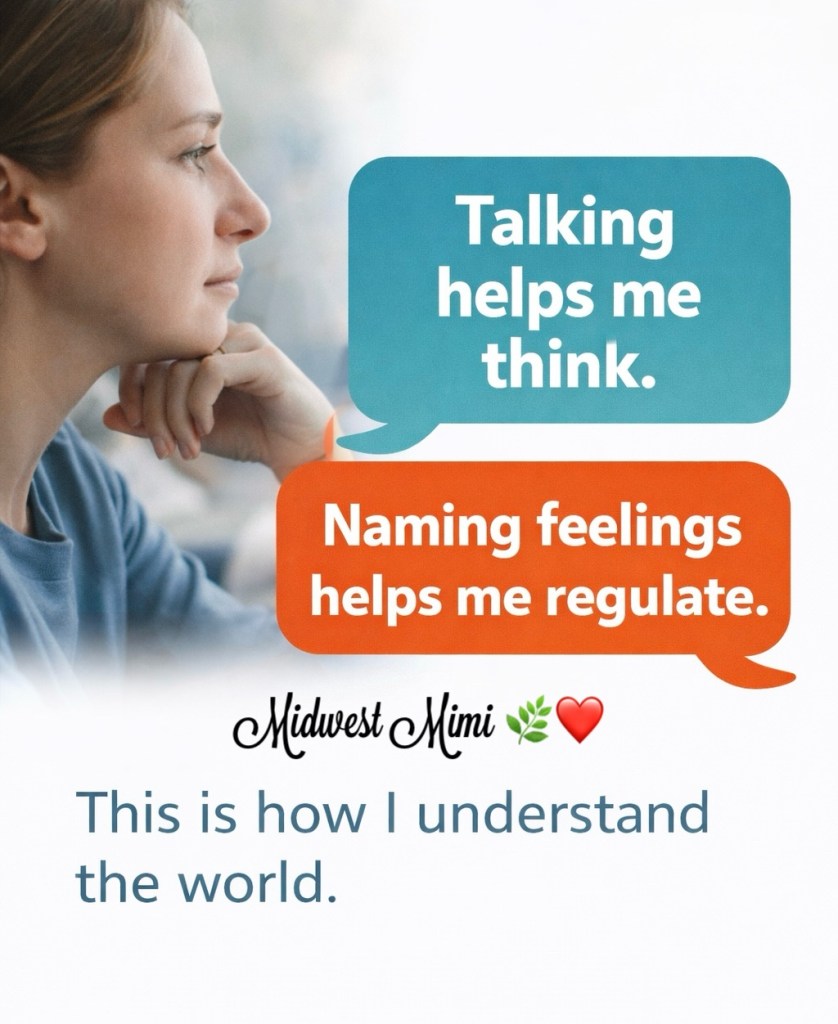
I am not someone who shuts down in conflict. I do not go quiet. I do not lose access to language. Talking helps me think. Naming feelings helps me regulate. Conversation is how I understand myself and others.
So when someone lashes out at me and all I want is to explain myself, the pain is sharp and familiar. I am not trying to argue. I am trying to be understood.
When Conflict Started to Cost My Body
Before I got sick, I didn’t think much about conflict. It was uncomfortable, but manageable. I could push through emotional strain without my body demanding repayment.
That changed after chronic illness entered my life.
Emotional hurt stopped staying emotional. It became migraines. Body pain. Nausea. Entire days lost to recovery.
Conflict now had a physical cost.
I had to start asking myself how much energy conflict took from me, and what happened when I spent more than I had.
That question became unavoidable when I fell in love with someone whose nervous system worked very differently than mine.
Where Part One Ends
I grew up needing words to feel safe.
I learned early that being misunderstood hurt more than being wrong.
And I entered adulthood believing that talking things through was always the healthiest path.
That belief made sense for me.
But it wasn’t universal.
In Part Two, I share what happened when love required a different kind of regulation, and how two very different nervous systems learned to stop hurting each other in the name of “communication.”
 Midwest Mimi
Leave a comment