“Mimi,” Channing’s complaining tone rang out, “Raeleigh yelled at me.”
“I only yelled because he was being annoying!” Raeleigh chimed in from the other room.
It wasn’t even 10 a.m., and we’d already had multiple variations of this same argument at least three times. Clearly, it was time for a reset.
Sibling squabbles like this can erupt a dozen times a day in our house. Sometimes it’s over chores, sometimes it’s over nothing at all. The bickering builds and suddenly it feels like the whole family is caught in the storm.
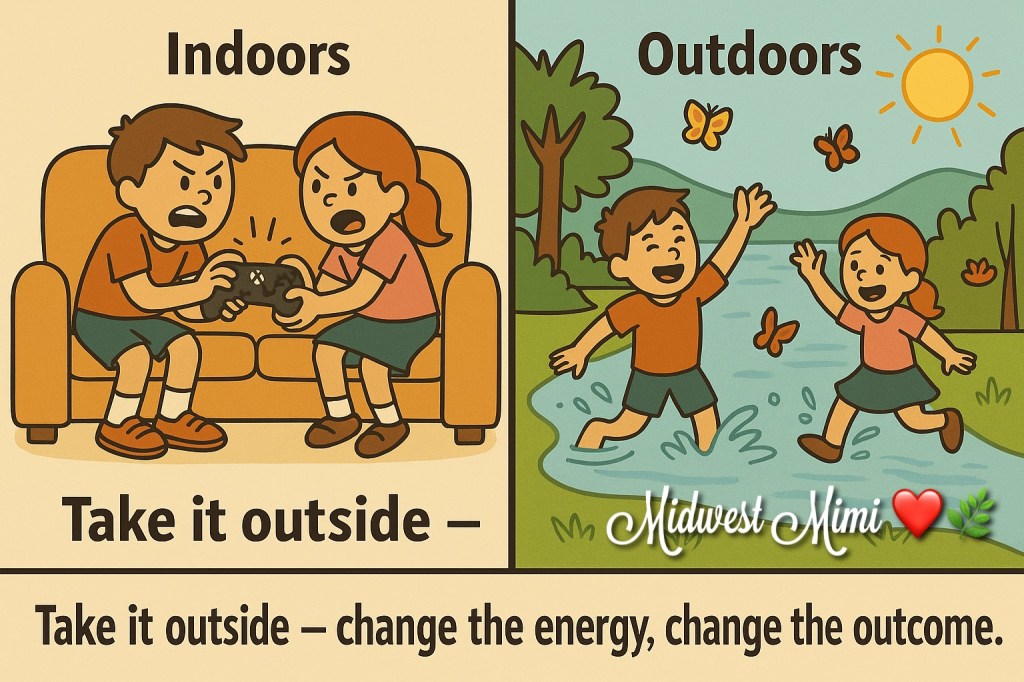
But I’ve learned something over the years: nature works like a reset button for sibling rivalry. Stepping outside, away from the walls and routines of home, changes the energy. What felt like a crisis indoors can shift into laughter, teamwork, or at least a little peace once we’re in the open air.
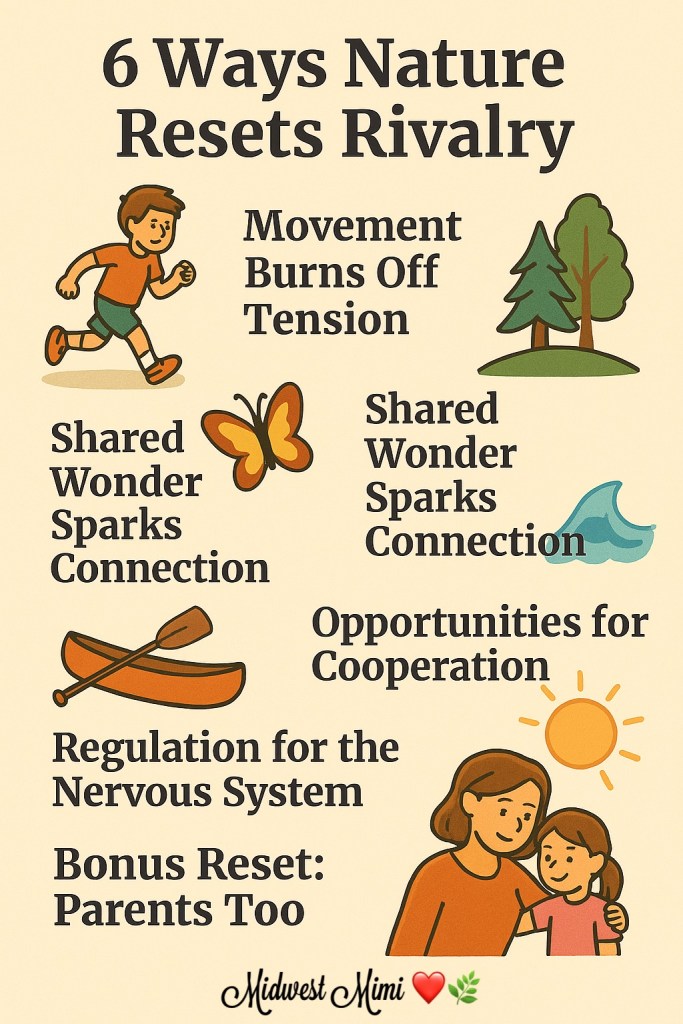
Here are six ways nature resets sibling rivalry — and one way it benefits parents, too.
1. Movement Burns Off Tension
A lot of sibling rivalry is really just extra energy looking for somewhere to go. Running through a field, climbing a playground, or splashing in a lake burns off the frustration that often fuels fights. What started as “You’re so annoying!” can shift into giggles once their bodies are busy moving.
2. Neutral Territory
At home, kids fight over who controls the remote, who sits in which chair, or whose turn it is to feed the cat. Outside, the rules change. The playground, trail, or beach doesn’t belong to anyone, which makes it easier to let go of “mine” and enjoy the space together.
3. Shared Wonder Sparks Connection
Nature has a way of interrupting conflict with awe. A butterfly landing nearby, a frog hopping across the path, or the perfect flat rock for skipping stops the arguing for a moment. Suddenly it’s not about who said what — it’s about discovery, and that sense of wonder pulls siblings together.
I remember our family trip to Lake Le-Aqua-Na at the beginning of the summer. It was just over two hours of afternoon road trip from our house to the park. It was a hot day and the air conditioner in the van could barely keep up with keeping us cool. We had a cousin along with us, so every seat was filled, even the dreaded middle seat. That seat isn’t just dreaded by the kids, but by parents too — because we know it means more arguing along the way.
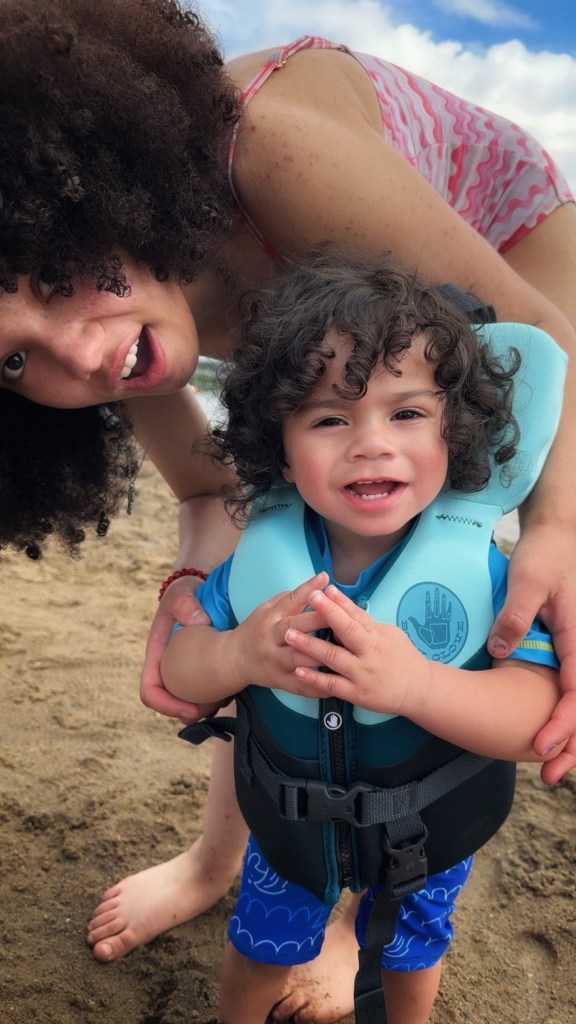
By the time we arrived, I had a headache from being a referee, and the kids were fed up with each other. But after the walk to the water, their excitement began to spark again. Within ten minutes the kids were laughing and playing together. Both Raeleigh and Channing enjoyed splashing and playing with their little brother in the water. The shared experience of swimming in the lake melted the tension and arguing away. Three hours later, they still weren’t ready to leave — but with the sun setting, we piled back into the van happy and worn out.
4. Nature’s Built-In Distractions
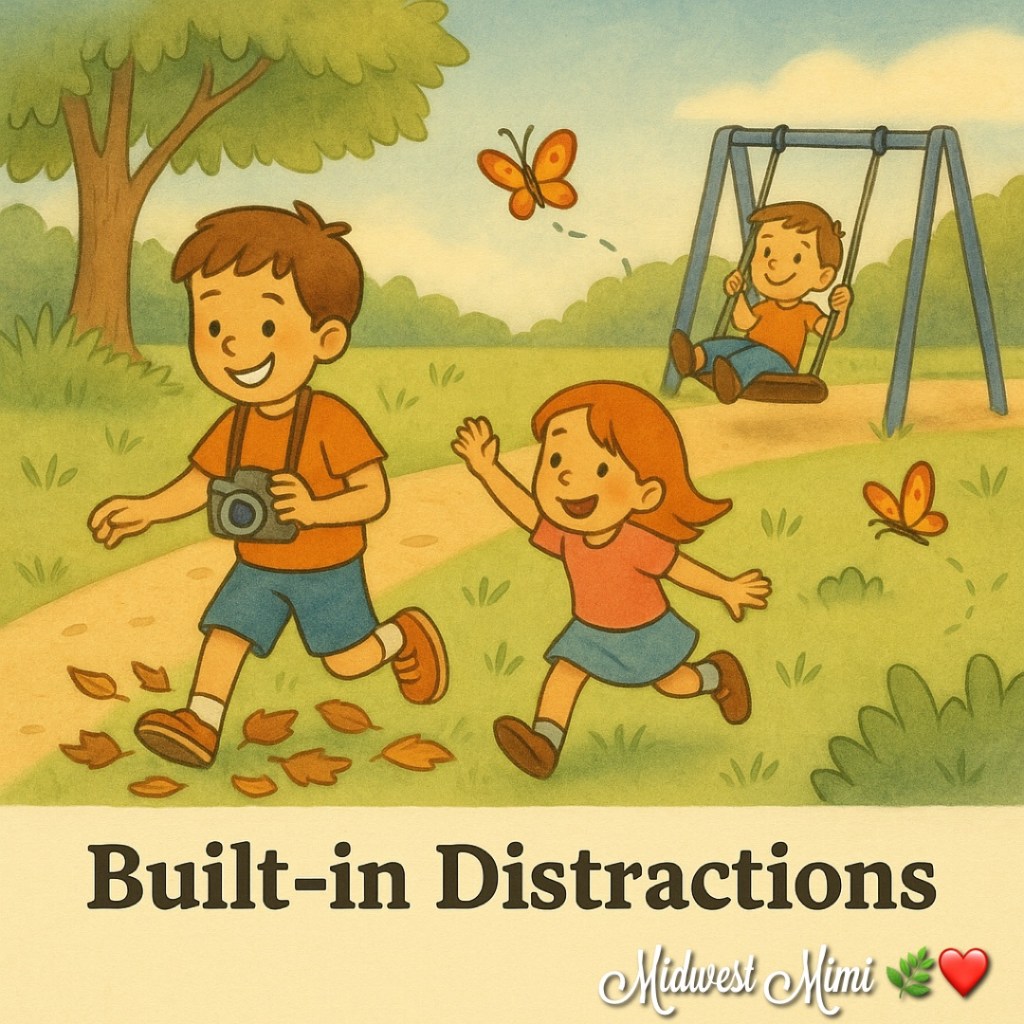
Instead of focusing on each other’s flaws, kids have endless sensory experiences outside: leaves to crunch, water to splash, dirt to dig, trails to follow. Rivalry has a harder time sticking when there’s something more interesting right in front of them.
When Raeleigh and her cousin Sylas were little, their arguments sometimes escalated to biting. My mom (Nana to the kids) was a librarian, so of course she bought them a book about how “Ouch! Biting hurts.” She read it to them faithfully, and even sent copies to our house and to my brother’s house.
One morning the kids were having a particularly difficult time keeping their teeth to themselves. Raeleigh would bite Sylas and yell, “Ouch! Bite hurts!” Then Sylas would respond in turn and bite Raeleigh back. If something didn’t change, they were going to end up one solid bruise.
So, we went outside. Within minutes, they were busy finding treasures, distracted by sticks and rocks and bugs. The biting stopped as quickly as it started, because nature offered them something better to focus on.
5. Opportunities for Cooperation
Outdoors, kids often have a shared goal — building a fort, roasting marshmallows, or helping set up the tent. These natural teamwork moments turn siblings into collaborators. It’s hard to stay enemies when you’re both holding up the same tarp against the wind.
6. Regulation for the Nervous System
Fresh air, sunshine, and repetitive motion like walking, paddling, or swinging help regulate kids’ nervous systems. When their bodies calm down, their words and reactions do, too. Nature sets the stage for more patience and less bickering.
7. Bonus Reset: Parents, Too
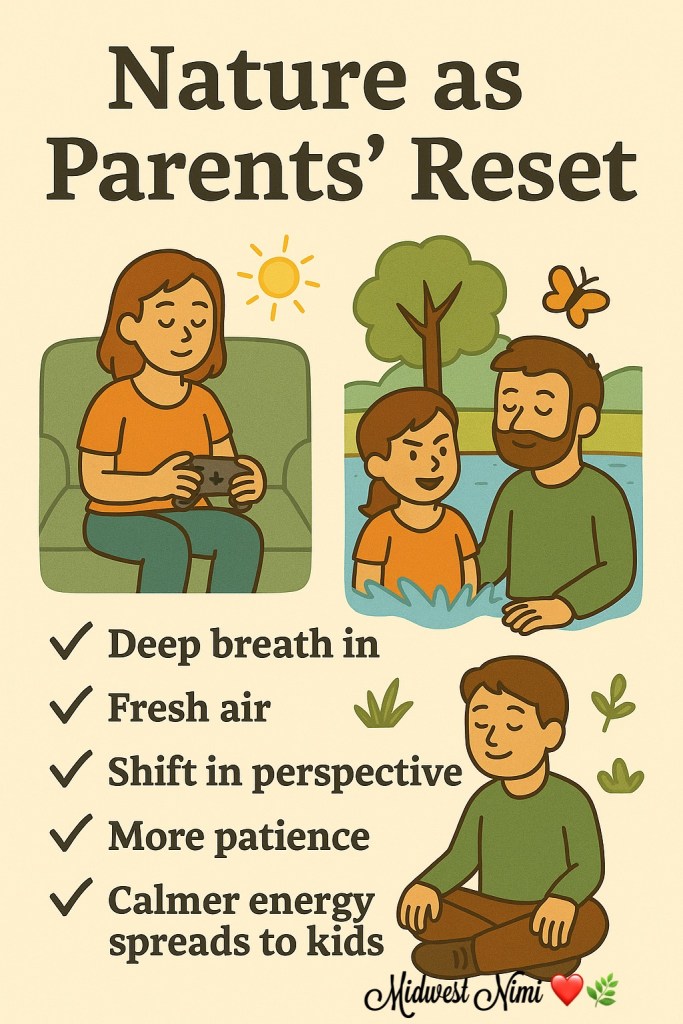
It’s not just the kids who need the reset button. Parents benefit from slowing down in nature as well. Some days being a referee is exhausting, and my own attitude needs an adjustment. Other days it’s unrelated to the kids, but outside stressors weigh on me and I could also benefit from an outdoor reset. Stepping outside helps me breathe deeper, notice beauty, and let go of the tension that builds up when I’m stuck refereeing or juggling life’s challenges. A calmer parent can guide squabbles with more patience, which helps the whole family shift back toward connection.
Closing
Sibling rivalry is part of family life, but it doesn’t have to rule the day. Nature gives us tools to reset — whether it’s movement, wonder, teamwork, or just fresh air for everyone’s frazzled nerves.
Next time your kids can’t seem to get along, try stepping outside. You might be surprised at how quickly the bickering gives way to curiosity, laughter, and connection.
What’s your family’s favorite outdoor reset when tempers flare?
Mimi ❤️🌿
 Midwest Mimi
Leave a comment