Homeschooling can feel intimidating when you start looking at the price tags on full boxed curriculums, endless supply lists, and glossy catalogs promising the “perfect” education. The truth is, you don’t need to spend a fortune to give your kids a meaningful education at home. In fact, some of the richest learning happens with free or inexpensive resources you already have around you.
Libraries: The Unsung Hero
Our local library is the backbone of our homeschool. I build much of our literature-based curriculum from the books we check out. To stay on track, I place the first semester’s book list on hold early in the year and then rotate them back as we finish. Before the second semester begins, I do the same for the rest of the year.
Libraries also offer more than shelves of books. Story times, classes, makerspaces, and even “libraries of things” let families borrow games, hobby kits, or tools. And when too many books come in at once, I use the hold-skipping option so we’re never drowning in material we can’t finish. It’s free, flexible, and endlessly valuable.
Learning from What You Already Have
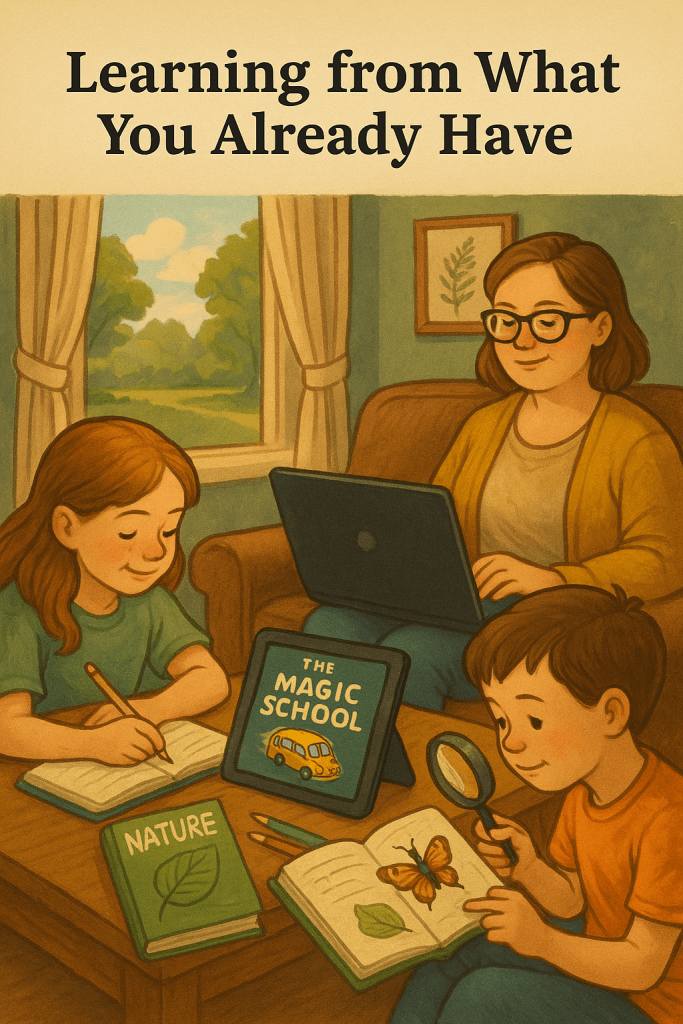
Homeschooling on a budget doesn’t mean cutting corners—it means looking at what’s already around you and using it creatively. For us, history isn’t a stack of expensive textbooks. Instead, we teach it through film. We pick documentaries or historically inspired movies from streaming services we already subscribe to, making history feel alive and memorable.
Science can work the same way. Channing loves The Magic School Bus, so we use episodes to introduce new science topics and then talk about what he learned. Those shows often spark curious questions, and when they do, Google becomes one of our best teaching tools.
“Do all bats bite?”
“Who invented Kool-Aid?”
“Are there sharks in the Mississippi River?”
When I don’t know the answer (which is often), we look it up together. Teaching kids how to find answers is one of the best gifts we can give them. Along the way, I show them how to look for reputable sources, and we talk about the difference between reliable information and random internet opinions.
Nature as a Classroom
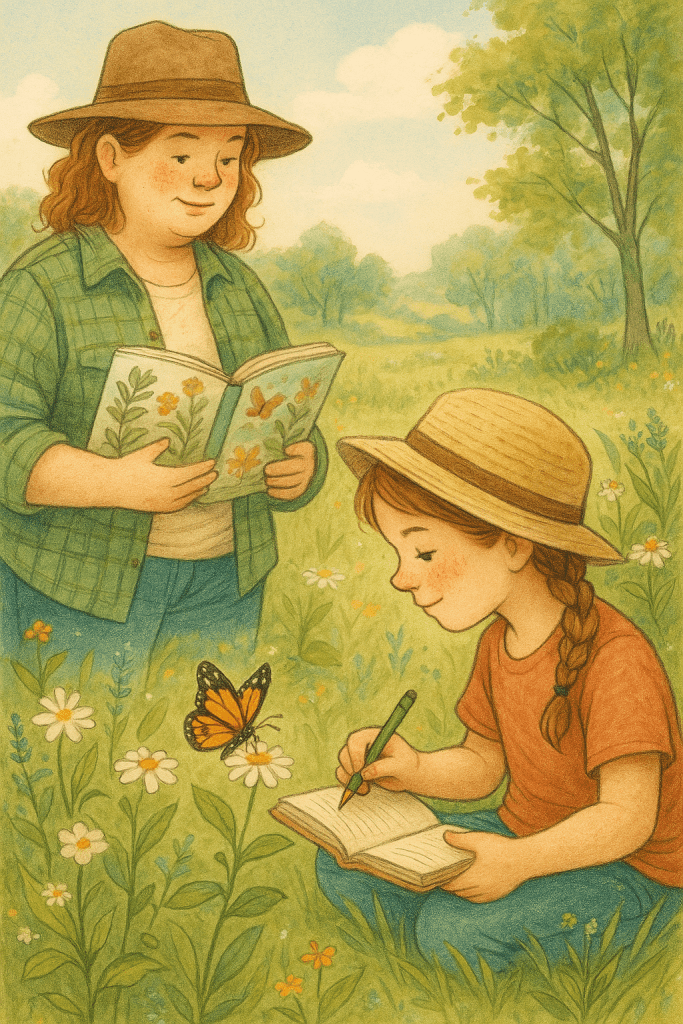
Being outside sparks interest in a whole new variety of subjects. A walk around the block can turn into a lesson on insects, weather patterns, or the changing seasons. For us, nature isn’t just fresh air—it’s one of our most affordable classrooms.
Nature journals are a simple way to capture outdoor learning. All you need is a notebook and some colored pencils. Kids can sketch a leaf, record bird calls, or describe how the sky looks before a storm. Over time, those little notes build observation skills and an appreciation for the natural world.
If your child wants to go deeper, secondhand field guides can add a sense of discovery. Learning to flip through a book and identify a plant or bug builds patience and research skills, while also making learning hands-on and memorable.
Learning Through Everyday Life
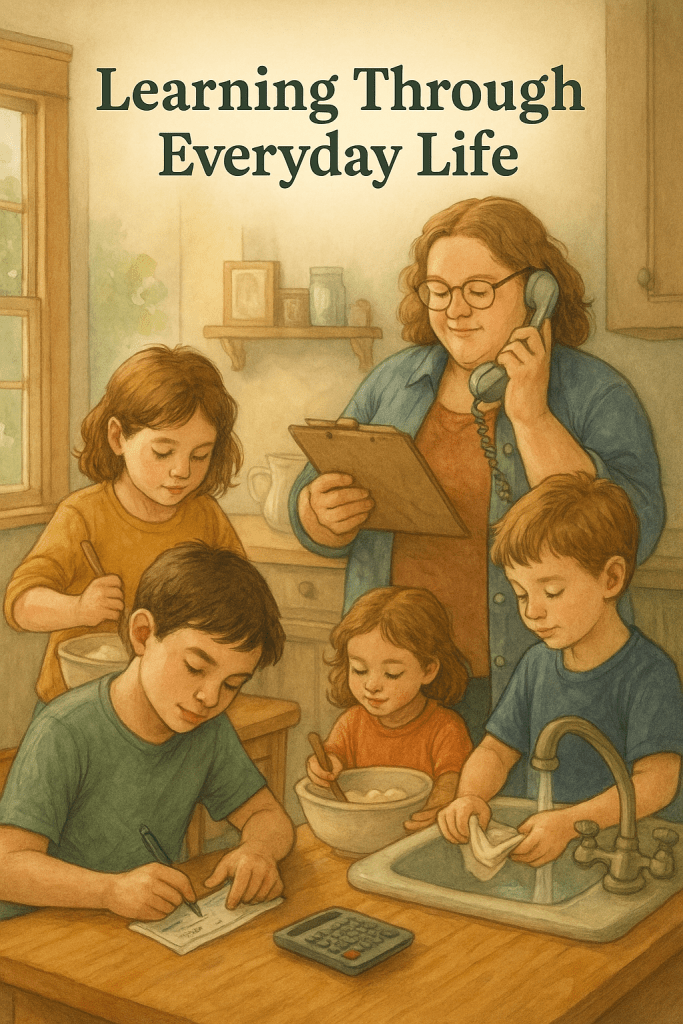
One of the most overlooked (and free) parts of homeschooling is teaching kids through everyday life. Older children can learn so much from helping in the kitchen—cooking naturally teaches math through measurements, chemistry through reactions, and even history when you talk about where recipes come from.
Household tasks also open doors to real-world skills. Something as simple as filling out a check or money order to pay bills becomes a lesson in financial literacy. Teens can practice independence by learning to call and make their own doctor’s appointments, or by being the one to phone the internet service provider the next time it goes down.
These experiences teach responsibility, confidence, and problem-solving in ways that no school simulation can fully replicate. They may not look like traditional “curriculum,” but they are some of the most valuable lessons our kids will carry into adulthood.
Secondhand and Swaps
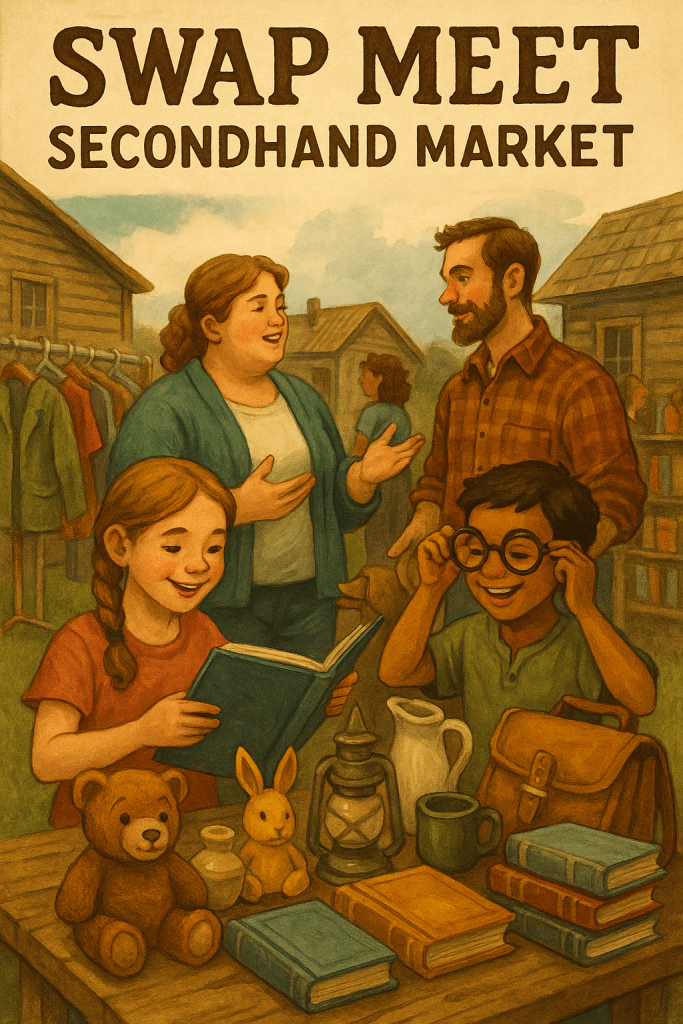
Another easy way to keep homeschooling affordable is by embracing secondhand resources. Curriculum doesn’t have to be brand-new to be effective. Many homeschool families sell or swap gently used books once they’re finished with them, which means you can often find what you need at a fraction of the cost.
Thrift stores, Facebook Marketplace, and homeschool swap groups are treasure troves for books, science kits, art supplies, and even educational games. What one family is done with might be exactly what your child is ready for.
Within our own home, we save money by passing books and supplies down between kids. Raeleigh’s novels often get handed to Channing when he’s ready, and I know someday Royce will get plenty of “pre-read” material from both of them. Not only does this save money, but it also builds a sense of continuity—siblings sharing in the same stories and lessons, just at different times in life.
Final Thoughts
Homeschooling doesn’t have to be expensive to be meaningful. By leaning on libraries, streaming services, nature walks, everyday tasks, and secondhand resources, we’ve created an education that fits both our budget and our family.
At the end of the day, kids don’t need shiny new workbooks to learn. They need curiosity, creativity, and a family willing to chase down answers with them—whether that’s in the library, the backyard, or even while calling the internet provider
Mimi 🌿❤️
 Midwest Mimi
Leave a comment